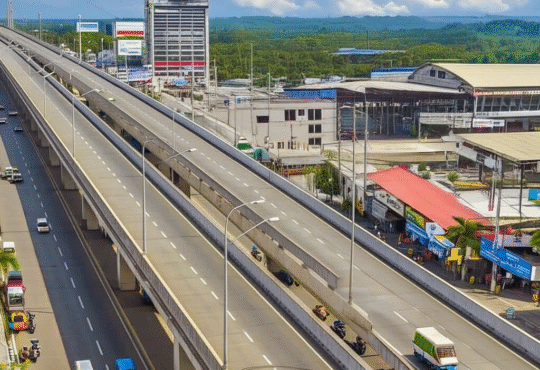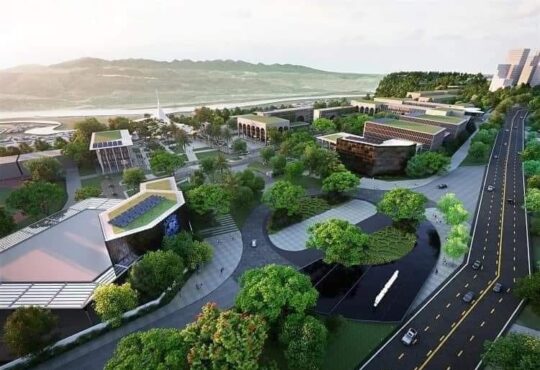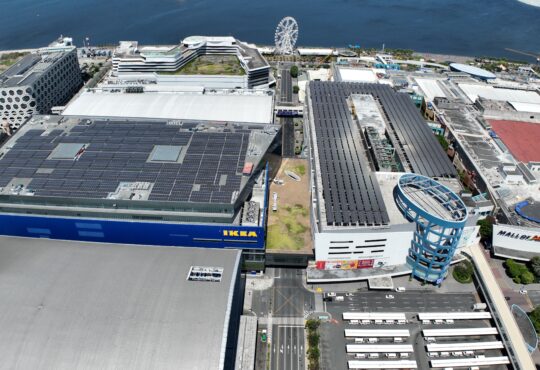




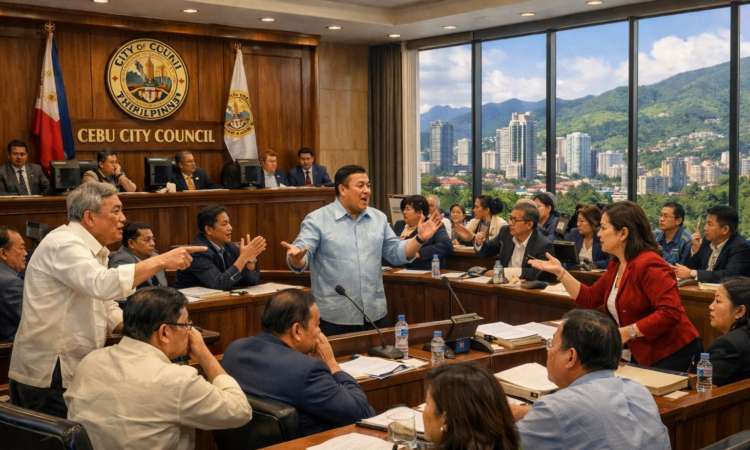
The Cebu City Council is currently deliberating a proposal to temporarily suspend new high-density residential developments in Barangay Talamban and nearby upland regions. This initiative, scheduled for discussion on September 24, 2026, comes in response to escalating concerns about traffic congestion and water supply shortages in these areas.
Councilor Alvin Arcilla, who introduced the proposal, emphasized the pressing need to address these infrastructural challenges. “The temporary suspension is necessary due to the increasing strain on water supply and the worsening traffic conditions in Talamban and the surrounding upland areas,” Arcilla stated. He highlighted the urgency of these issues, suggesting that a pause in new residential projects would allow the city to reassess and strategize effective solutions.
The council’s debate reflects the broader challenges urban areas face as they grapple with rapid development and its consequential strains on infrastructure. Talamban, known for its growing residential communities, has seen significant population increases, leading to heightened demand for essential services. The proposed moratorium aims to curb this trend, offering city planners a chance to implement sustainable growth strategies.
Councilor Winston Pepito raised critical questions during the council meeting, specifically querying the criteria for what constitutes a “high-density residential development.” “What will be the threshold? Are we talking about developments with 50, 200, or 1,000 units?” Pepito asked, underscoring the need for clear definitions to avoid ambiguities in the implementation of any moratorium.
The proposal underscores the city’s commitment to balancing development with sustainability. By potentially halting new projects temporarily, the council hopes to conduct thorough assessments of the area’s infrastructure capacity. This pause would provide an opportunity to explore long-term solutions for water distribution and traffic management, which are critical to maintaining the quality of life for residents in these rapidly developing neighborhoods.
Arcilla reassured that the proposed suspension is not an outright ban but a strategic pause. “This is a temporary measure to give the city time to assess the situation,” he explained. The proposal, if approved, would serve as a proactive step towards ensuring that the city’s infrastructure can support its growth without compromising the well-being of its residents.
As Cebu City continues to evolve, officials are tasked with the complex responsibility of managing growth while preserving the city’s livability. The deliberations within the council highlight the importance of forward-thinking policies that prioritize sustainable development.
The outcome of this proposal could set a precedent for how other urban centers in the Philippines approach similar challenges. Balancing development with infrastructure capacity is a common issue faced by rapidly growing cities, and Cebu City’s approach will be closely watched by other municipalities.
The decision by the Cebu City Council will likely impact developers, residents, and future city planning initiatives. As discussions proceed, stakeholders remain hopeful that the council will arrive at a solution that addresses the immediate concerns while paving the way for a sustainable urban future.
Original source: Sunstar
add a comment