



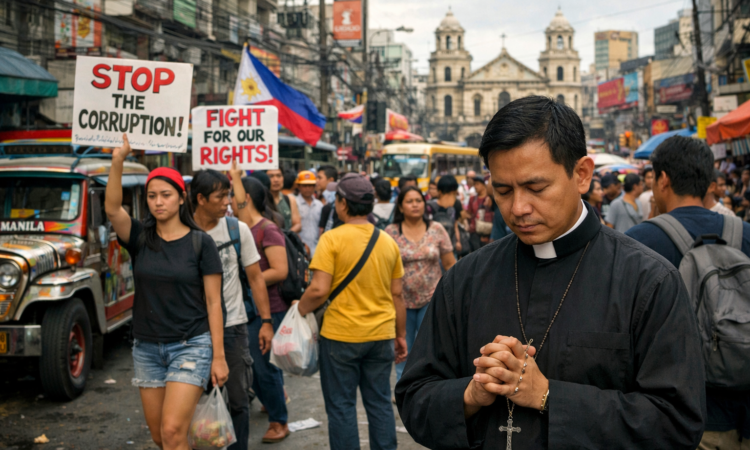
The Catholic Church in the Philippines has been navigating a complex landscape of public advocacy and silent ministry from 2020 to 2026. This period marks a significant divergence in how religious congregations engage with pressing national issues. While some clergy and lay leaders have embraced the role of vocal advocates, others have opted for a more subdued approach, prioritizing quiet ministries over public statements.
This dichotomy reflects an institutional caution within the Church, as many congregations weigh the potential risks of public engagement. Such risks include political backlash, misinterpretation, and the possible alienation of parishioners with differing views. As one observer notes, “The Gospel, after all, contains both charity and prophecy,” underscoring the dual nature of religious teachings that can support both direct action and introspective ministry.
The silence from certain quarters is not necessarily an absence of position. As another commentator explains, “Silence is not always the absence of a position. Sometimes, it is a position in itself.” This perspective suggests that the choice to remain silent can be a strategic decision, reflecting a nuanced understanding of the socio-political environment in the Philippines.
This period has also seen a shift in the Church’s prophetic tradition. Historically, the Church has played a transformative role in social justice issues, often acting as a moral compass for the nation. However, contemporary challenges have pushed some congregations towards a more ceremonial approach to prophecy. As one critic lamented, “The prophetic tradition becomes ceremonial rather than transformative,” highlighting concerns that the Church’s voice is becoming more symbolic than impactful.
The choice between public advocacy and quiet ministry is influenced by several factors, including the leadership styles of individual bishops and the cultural context of different regions. In areas where the Church feels more secure, there is often a greater willingness to engage in public discourse. In contrast, regions with heightened political tensions or where the Church’s influence is waning may see a more cautious approach.
This disparity in responses has sparked discussions within the Church about its role in contemporary society. Some argue that the Church should return to its roots of active involvement in social issues, drawing on historical moments when it played a pivotal role in national movements. Others contend that the Church’s primary mission should be spiritual guidance, with social advocacy taking a backseat to ministerial duties.
Ultimately, the Catholic Church in the Philippines is facing a critical juncture. As the nation grapples with numerous challenges, from economic disparities to human rights concerns, the Church’s stance—whether vocal or silent—carries significant weight. The ongoing debate over public advocacy versus quiet ministry will likely continue to shape the Church’s influence in Philippine society in the coming years.
Source: Sunstar
add a comment