




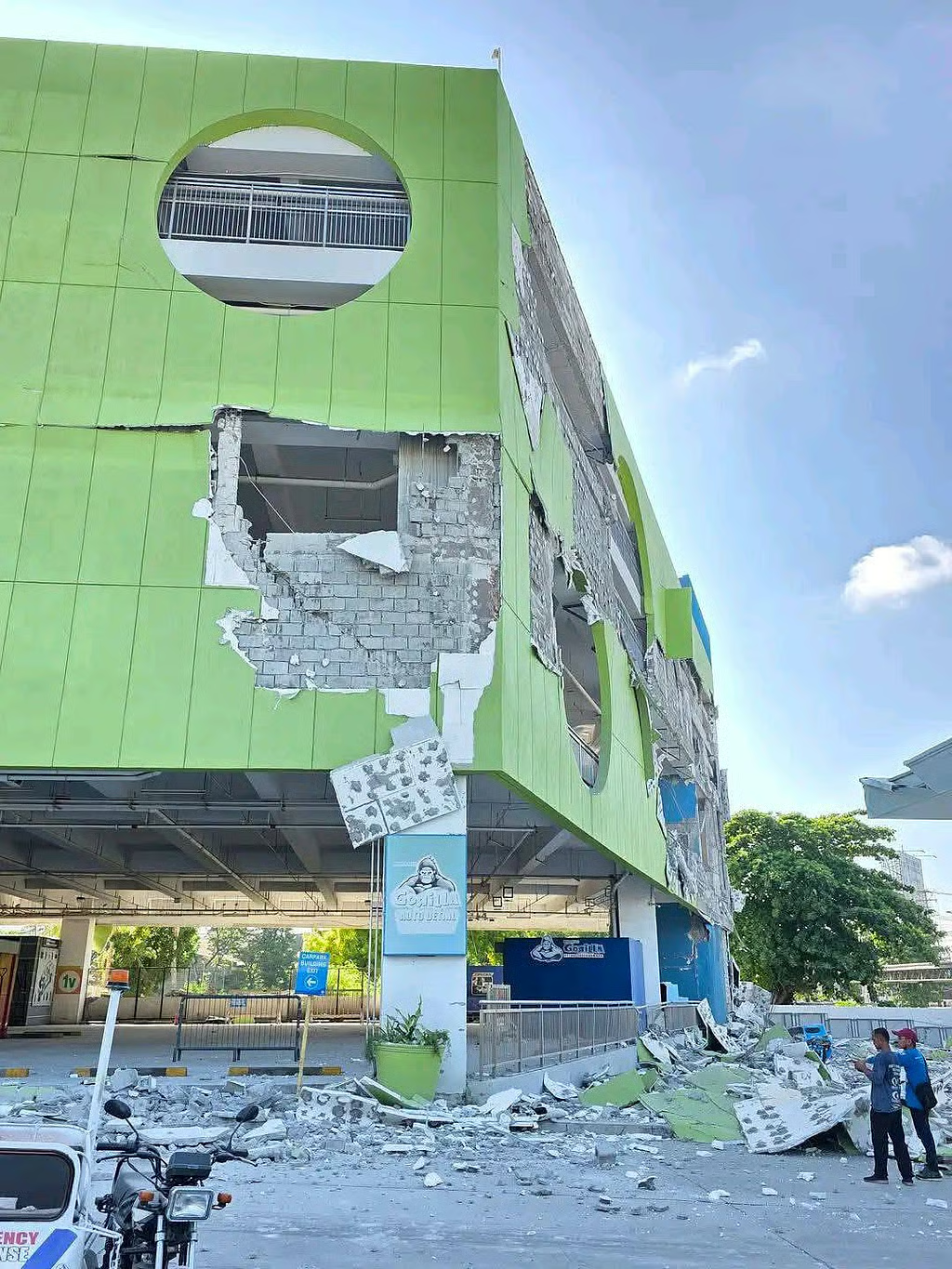
The Philippine Institute of Volcanology and Seismology (PHIVOLCS) has reported the occurrence of a powerful earthquake with a magnitude of 7.0 that struck Sarangani Province Mindanao on June 8, 2026. The tremor was centered near General Santos City, a bustling urban area in the south of the Philippines. According to initial assessments, the earthquake was caused by natural seismic activity, a common occurrence in the seismically active region.
Residents of General Santos and nearby areas were taken by surprise as the ground shook violently, sending people into the streets seeking safety. Reports of structural damage have started to surface, though the full extent of the impact is still being assessed by local authorities. Emergency services are on high alert, prioritizing search and rescue operations in potentially affected areas.
Mindanao, being part of the Pacific Ring of Fire, is no stranger to earthquakes. However, the intensity of this recent quake has raised concerns among the local population and government officials who are now focusing on the immediate response and long-term recovery plans. PHIVOLCS, in coordination with local disaster management agencies, is closely monitoring the situation for potential aftershocks, which could pose additional risks to the already affected areas.
In General Santos, known for its vibrant tuna industry and bustling economy, the earthquake interrupted daily activities as businesses temporarily closed to ensure the safety of their employees and customers. Public transport services were also momentarily halted to inspect infrastructure safety, causing a temporary disruption in the flow of goods and people.
Local government units across Mindanao have activated their disaster response protocols. Evacuation centers are being set up to accommodate those displaced by the quake, while medical teams are on standby to provide necessary aid to those injured. Schools and public buildings are being inspected for damage to ensure they remain safe for use.
Despite the challenges, community resilience and preparedness are evident as residents work together to support one another. Volunteers have mobilized to assist in relief efforts, supplying food, water, and other essentials to those in need. The spirit of bayanihan, or communal unity, is palpable as the region navigates the aftermath of this natural disaster.
In the coming days, PHIVOLCS is expected to release more detailed information about the earthquake’s impact, including a comprehensive analysis of the affected fault lines. Meanwhile, the public is urged to remain vigilant and follow safety guidelines to minimize risks during potential aftershocks. Authorities also remind residents to stay updated through official channels to avoid misinformation and panic.
This earthquake serves as a stark reminder of the importance of disaster preparedness and the need for robust infrastructure that can withstand such natural events. As recovery efforts continue, the focus will also be on rebuilding and enhancing the resiliency of communities in Mindanao, ensuring they are better equipped to handle future seismic activities.