



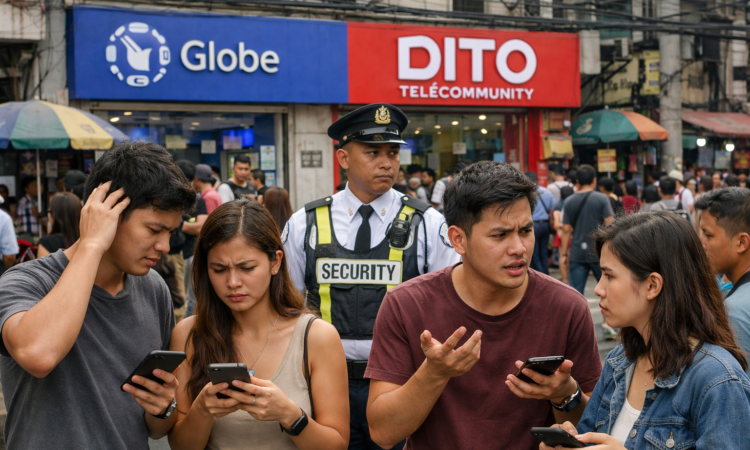
In a significant move affecting digital communication platforms in the Philippines, Discord has become inaccessible on Globe and DITO networks as of September 24, 2026. This development follows a stern warning issued by the Cybercrime Investigation and Coordinating Center (CICC), a government body tasked with overseeing cybercrime-related issues in the country.
The CICC’s decision comes amid allegations that Discord, a popular platform among the youth for communication and gaming, is being used for the recruitment of young individuals into violent activities. The government agency has demanded that Discord establish a local office within 24 hours, citing concerns over the platform’s role in potentially facilitating harmful activities.
“The warning came as the government body alleges links to the online recruitment of youth into committing violent acts within the platforms,” stated a representative from the CICC. This assertion has prompted immediate action to restrict access to Discord through major telecommunications providers in the Philippines, specifically Globe and DITO.
Discord, in response to the government’s demands, has communicated its willingness to engage with the CICC on the matter. The platform sent a letter to the agency, expressing a readiness to discuss the issues raised and work towards a resolution. However, despite this communication, the block on Discord has proceeded on certain networks, affecting users across the nation.
The CICC emphasized that it has not extended the deadline for Discord to comply with its requirements. The agency is awaiting “direct discussions” and “concrete commitments” from the platform before considering any changes to the current situation. This stance indicates the seriousness with which the government is treating the issue and its expectations for prompt and decisive action from Discord.
The implications of this move are significant for both Discord users and the broader digital landscape in the Philippines. Discord is widely used by various communities, including gamers, educators, and professionals, for its versatility and ease of use. The sudden inaccessibility on major networks could disrupt communication and activities for many users who rely on the platform for both personal and professional interactions.
As the situation unfolds, it remains to be seen how Discord will respond to the CICC’s demands beyond its initial letter of engagement. The establishment of a local office, as required by the CICC, could involve logistical and operational challenges for the platform, which is headquartered in the United States. Moreover, the broader implications for internet governance and digital rights in the Philippines are also under scrutiny, as stakeholders from various sectors weigh in on the balance between security concerns and freedom of communication.
The ongoing developments are being closely monitored by both local and international observers, given the potential precedent this case could set for how governments interact with global digital platforms. As of now, users in the Philippines are left navigating alternatives or finding workarounds to maintain their online communication activities.