


Google Pay Faces Slow Uptake in Philippines Despite Android’s Massive User Base

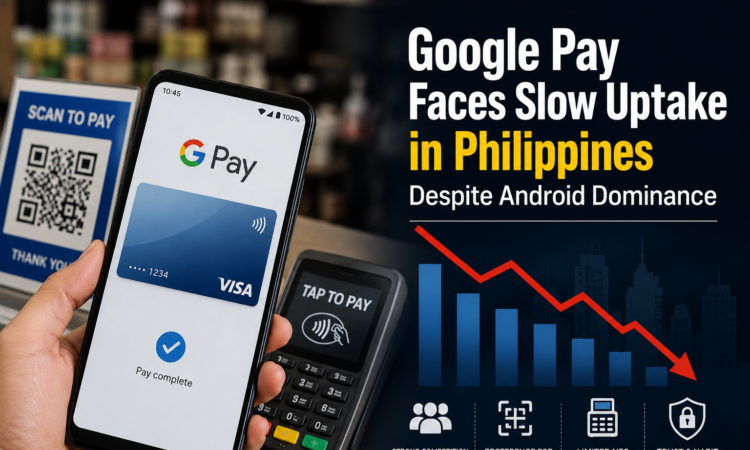
MANILA, Philippines — While Android smartphones dominate the Philippine mobile market, the adoption of Google Pay remains slower than expected as Filipinos continue to rely heavily on QR-based payment platforms and traditional digital wallets.
Industry observers note that the country’s strong Android presence should have created an ideal environment for Google Pay’s rapid expansion. However, consumer payment habits, merchant readiness, and the popularity of existing financial apps have become significant factors influencing adoption rates.
Google Pay officially entered the Philippine market through partnerships with local banks and financial institutions, allowing users to make contactless payments using NFC-enabled Android devices. The service enables customers to store debit and credit cards digitally and pay by simply tapping their phones at compatible terminals.
Despite the availability of the technology, many Filipinos are already deeply invested in QR-code payment ecosystems offered by local platforms such as mobile wallets and banking applications. These services have become part of everyday transactions, from small neighborhood stores to major retail establishments.
Another challenge is the limited availability of NFC-enabled payment terminals among merchants. While larger retailers have adopted contactless payment infrastructure, many small and medium-sized businesses continue to depend on QR payments due to lower implementation costs and broader accessibility.
Financial technology experts believe adoption will gradually improve as more banks integrate their services with Google Pay and as consumers become more familiar with contactless transactions. The growing demand for convenient, secure, and cashless payment options is also expected to support long-term growth.
The Philippines has seen a steady shift toward digital payments in recent years, driven by increasing smartphone penetration and government efforts to promote financial inclusion. However, studies suggest that trust, user behavior, and established payment preferences continue to play important roles in shaping how quickly new payment technologies gain acceptance among consumers.
As digital commerce continues to expand, industry stakeholders remain optimistic that Google Pay can eventually secure a stronger position in the local market. For now, its success will depend not only on the country’s large Android population but also on its ability to change consumer habits and encourage wider merchant participation in contactless payment systems.